Decarbonisation Pathways for Commercial and Industrial Sites
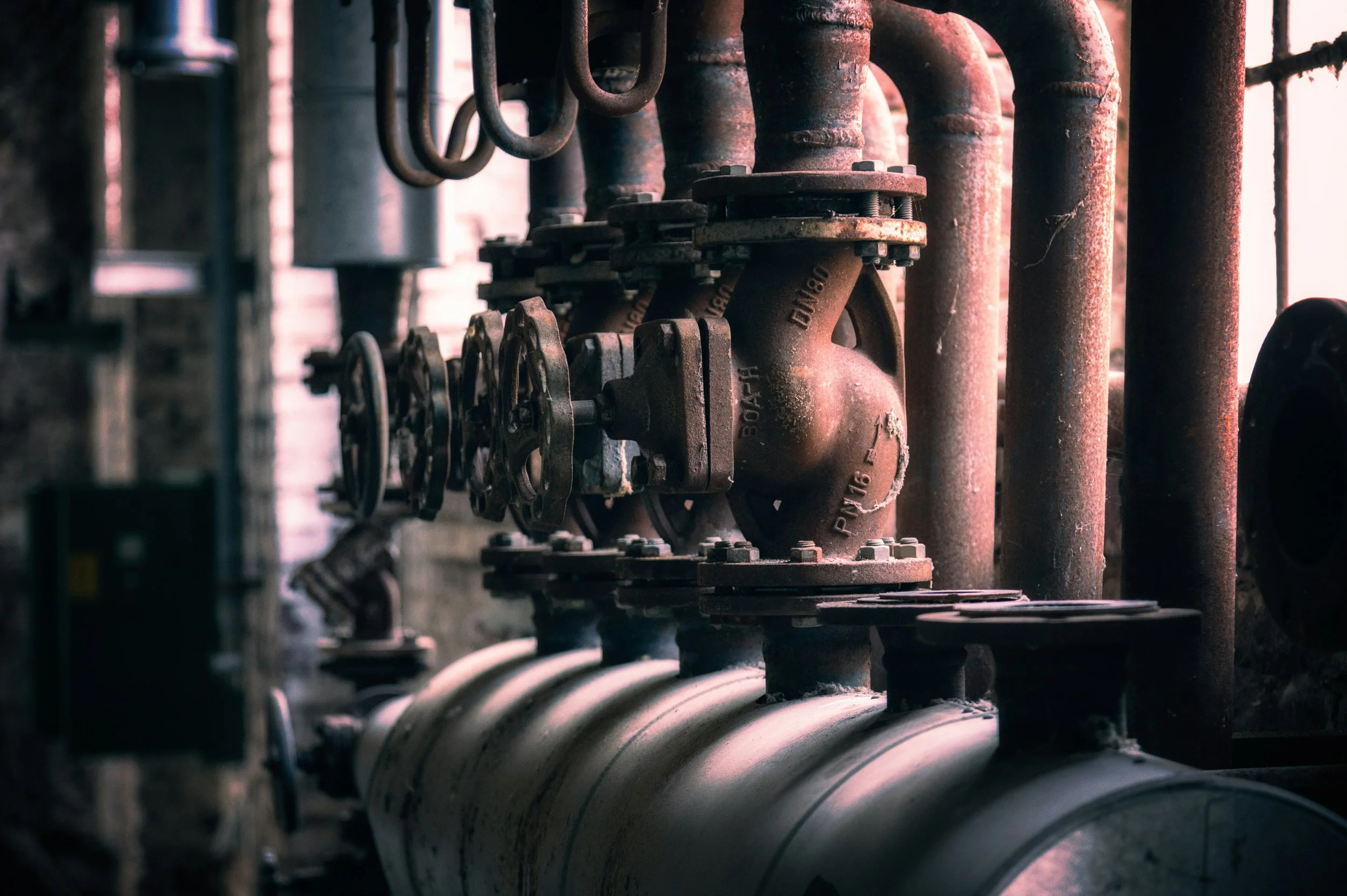
Most sites have decarbonisation goals but no clear plan for getting there. This post explains how a commercial energy audit provides the baseline, measure list, and sequencing logic needed to build a practical, staged decarbonisation pathway.

Preparing a Building for NABERS Rating Improvement
Improving a NABERS Energy rating takes more than booking an assessment. This guide covers what building owners and property managers need to prepare, from metering data and NLA verification to plant condition and operational changes.

How NABERS Commitment Agreements Work and When an Audit Is Required
A NABERS Commitment Agreement lets building owners disclose a target rating before it has been achieved. This post explains how they work and when an energy audit becomes a practical necessity.

NABERS Ratings Explained for Commercial Buildings
NABERS Energy rates a building's actual operational performance against similar buildings. For owners and property managers, understanding the rating system is the first step toward improving it. This post explains how ratings work, what drives a low score, and why an energy audit should come before any improvement program.

How Energy Audits Support Commercial Building Disclosure Compliance
If you own office space above 1,000sqm, CBD compliance is a legal obligation at the point of sale or lease. An energy audit is the most practical way to prepare your building, improve your NABERS rating outcome, and avoid costly delays.

Commercial Building Disclosure and Energy Audits. What Building Owners Need to Know
Commercial Building Disclosure requires energy performance transparency. Learn how energy audits help building owners improve NABERS ratings and reduce costs.

How Energy Audits Support Commercial Building Disclosure Compliance
Energy audits help building owners prepare for Commercial Building Disclosure by identifying system issues, improving NABERS performance, and reducing compliance risk.

How Energy Audit Findings Turn Into a Decarbonisation Roadmap
Energy audits turn site data into a staged decarbonisation roadmap. Learn how facilities prioritise efficiency, electrification, and capital upgrades.

How to Evaluate an Industrial Energy Audit Provider
How to assess an industrial energy audit provider. Compare methodology, data quality, standards, and commercial rigour before you commit.
Common Energy Audit Findings by Industry
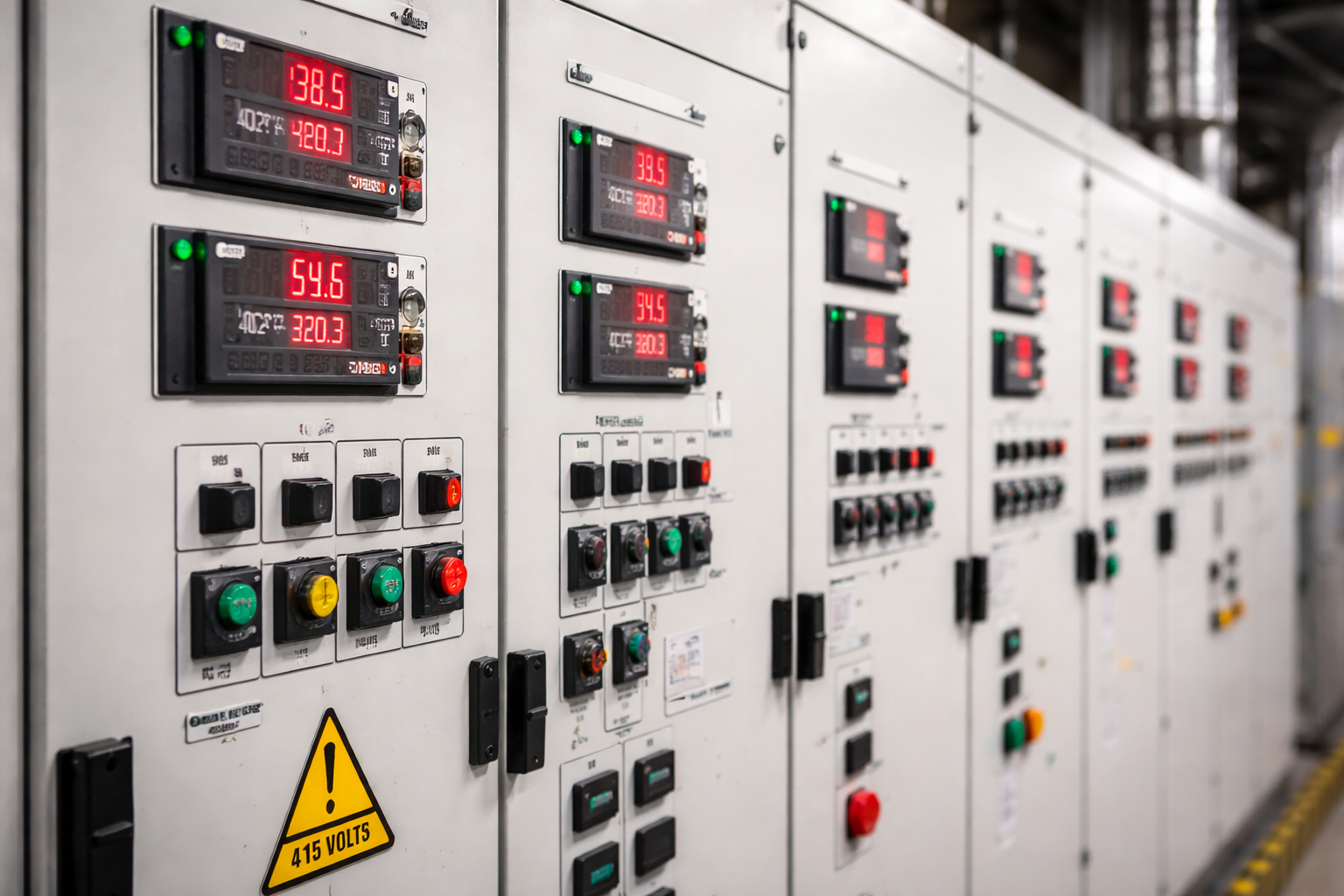
Common energy audit findings across manufacturing, healthcare, hospitality and logistics, and what they mean for cost, risk and upgrades.
Compressed Air Audits - Air Leaks Audits for Businesses
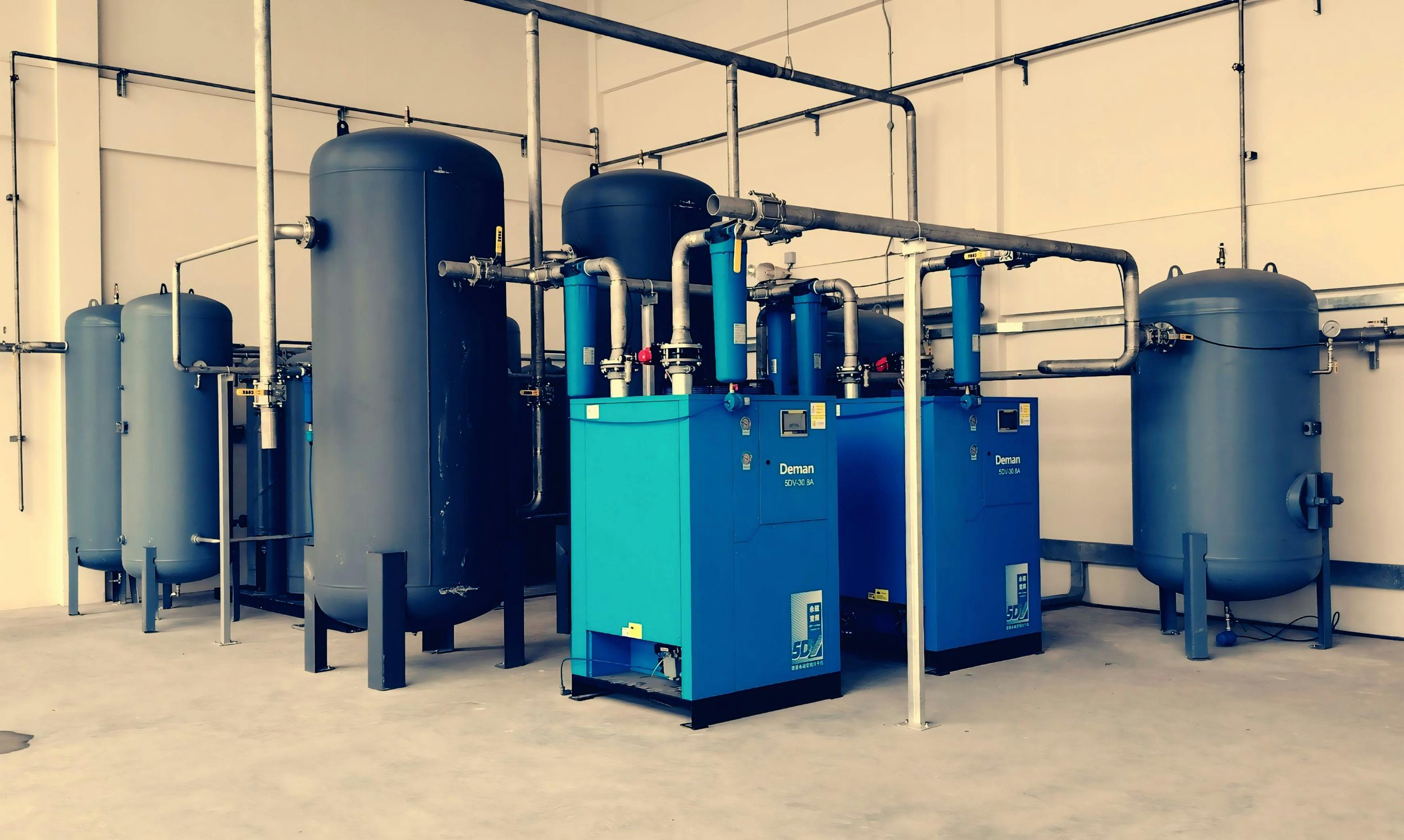
Compressed air leaks and pressure losses drive hidden energy costs. Learn how audits reduce demand risk and improve industrial efficiency.

Turning Energy Audit Data Into Actionable Insights
How energy audit data turns interval readings and site findings into clear cost savings, risk reduction, and capital planning decisions.
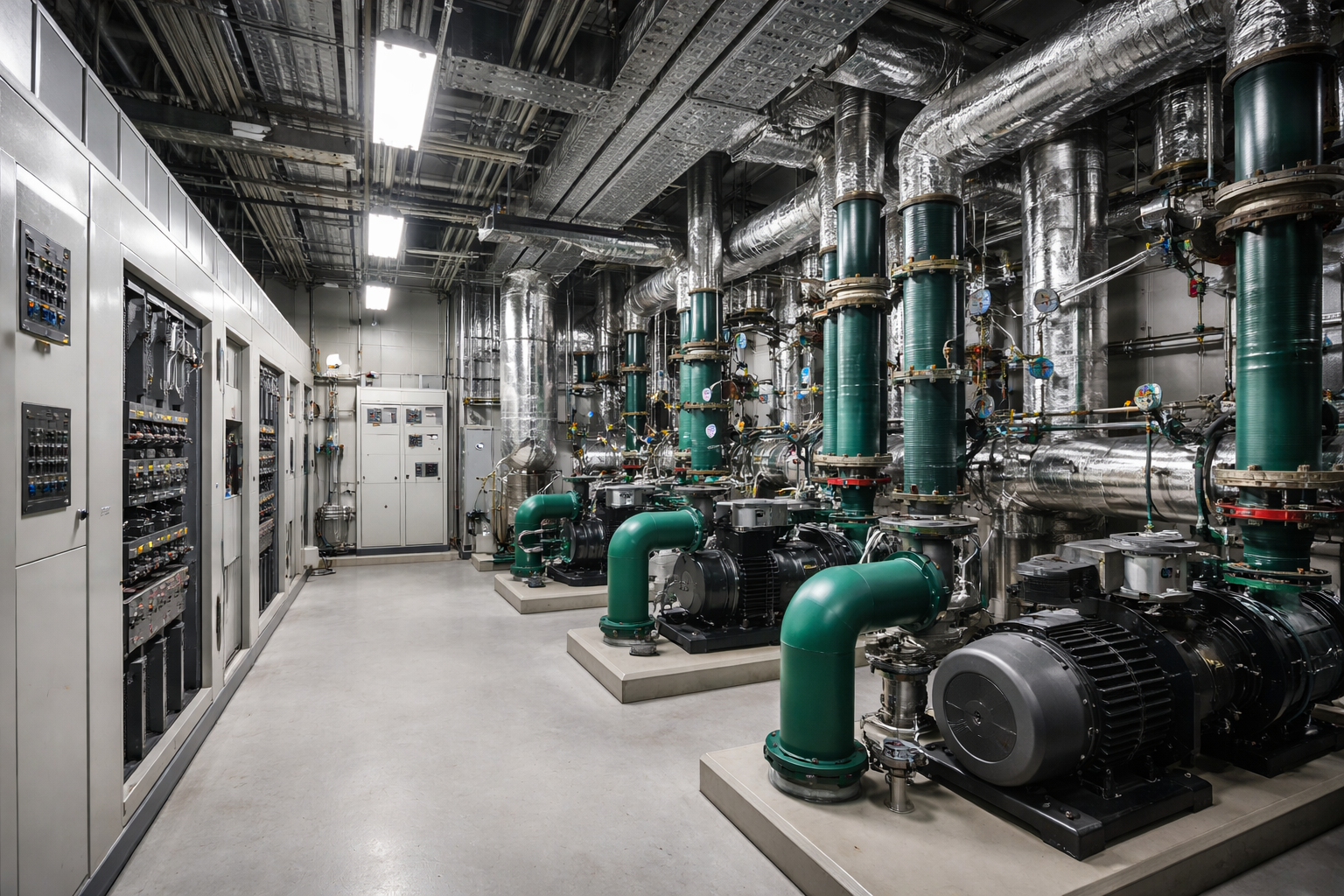
Using Energy Audits to Prioritise Decarbonisation Upgrades
Prioritise decarbonisation upgrades with data, not guesswork. Learn how energy audits sequence electrification and capital planning effectively.

Energy Audits in Asset Due Diligence. What Buyers Often Miss
Energy audits in asset due diligence reveal hidden risks, capex exposure and upgrade pathways before you commit capital.
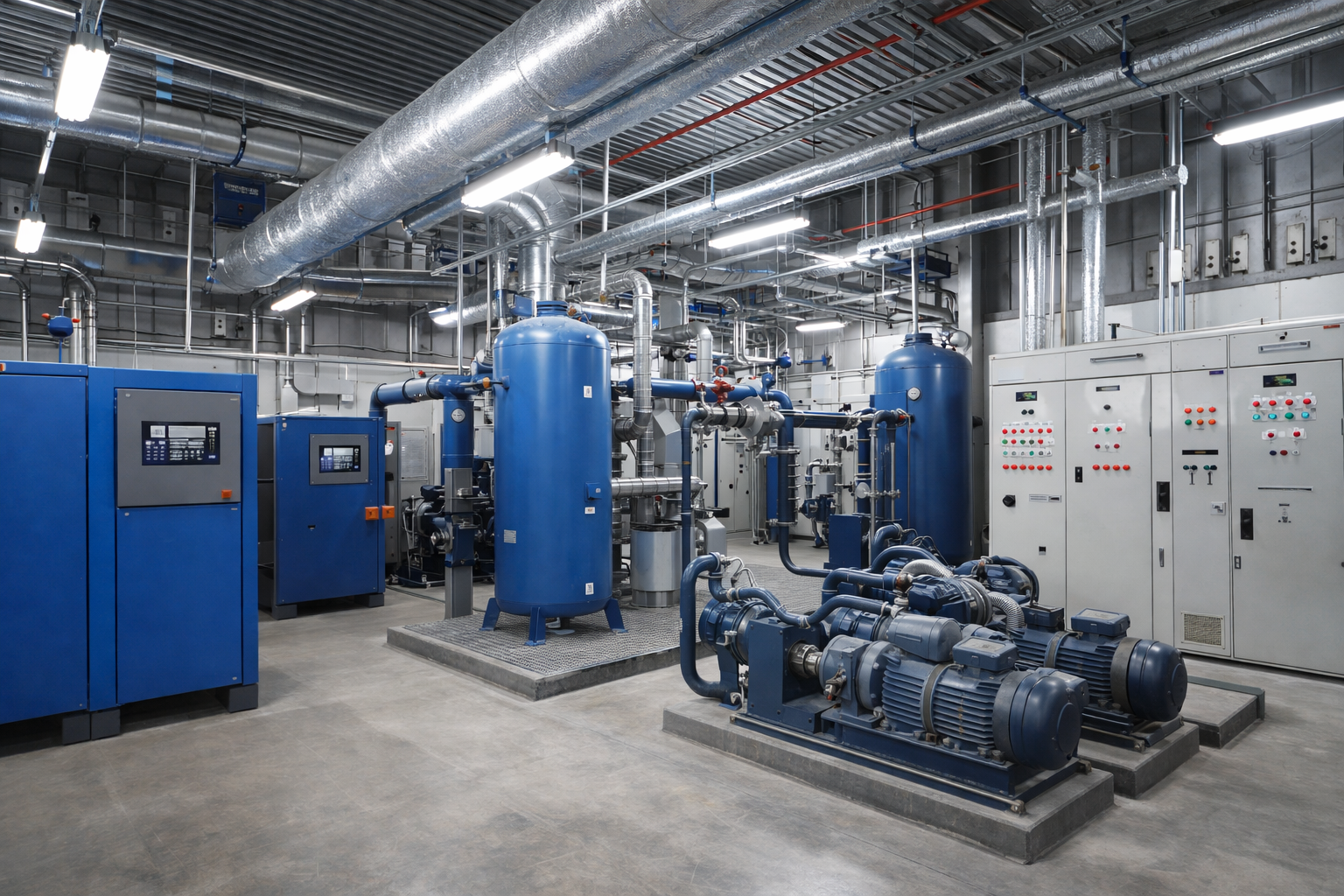
What an Industrial Energy Audit Typically Identifies
Industrial energy audits uncover hidden base load, compressed air losses, control drift, and upgrade risks that impact cost and reliability.

Commercial Energy Audit Report Breakdown. What You Actually Receive
See what a commercial energy audit report includes, from executive summary to savings register and capital planning insights.

Energy Audits for Council & Government buildings. What Is Different
How energy audits for government buildings support compliance, NABERS improvement, and structured portfolio planning across council assets.

How Energy Audits Support NABERS Improvement Plans
How energy audits identify performance gaps, reduce waste, and support practical NABERS rating improvement plans.

What You Receive From a Commercial Energy Audit
A commercial energy audit provides clear data and a roadmap to reduce costs, risk, and energy use through structured, actionable site insights.
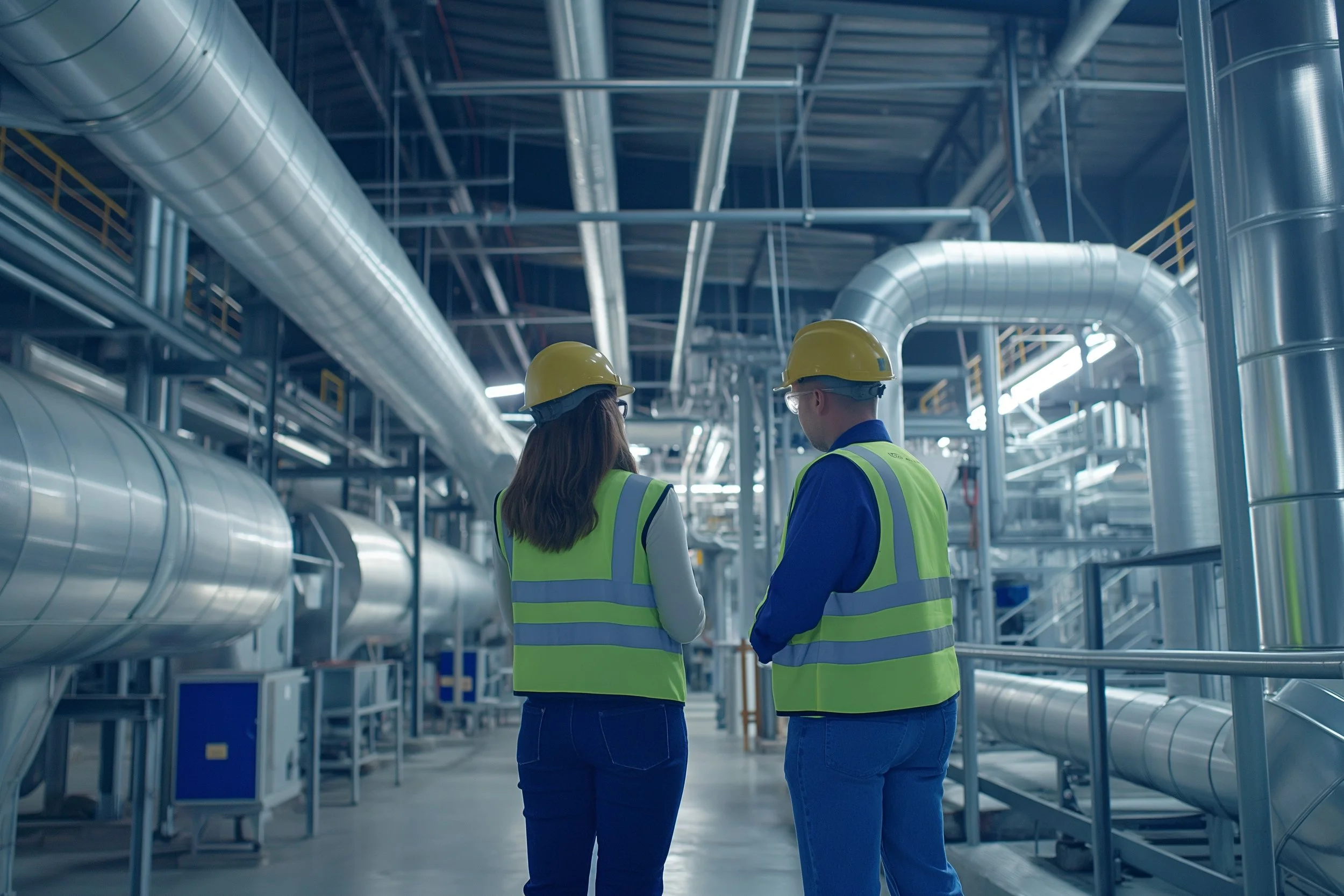
How Energy Audits Work in Large, Occupied Commercial buildings
Large commercial buildings operate every day, often with tenants on site around the clock. This article explains how energy audits are conducted in occupied commercial buildings, how to avoid disruption, and what decision-makers can expect from the process.