How NABERS Commitment Agreements Work and When an Audit Is Required
If you have been working through NABERS ratings for your building, you may have come across the term Commitment Agreement. It comes up in conversations about leasing, disclosure, and rating improvement. Understanding what it means, and what it actually commits you to, helps you plan your next steps more clearly.
What Is a NABERS Commitment Agreement?
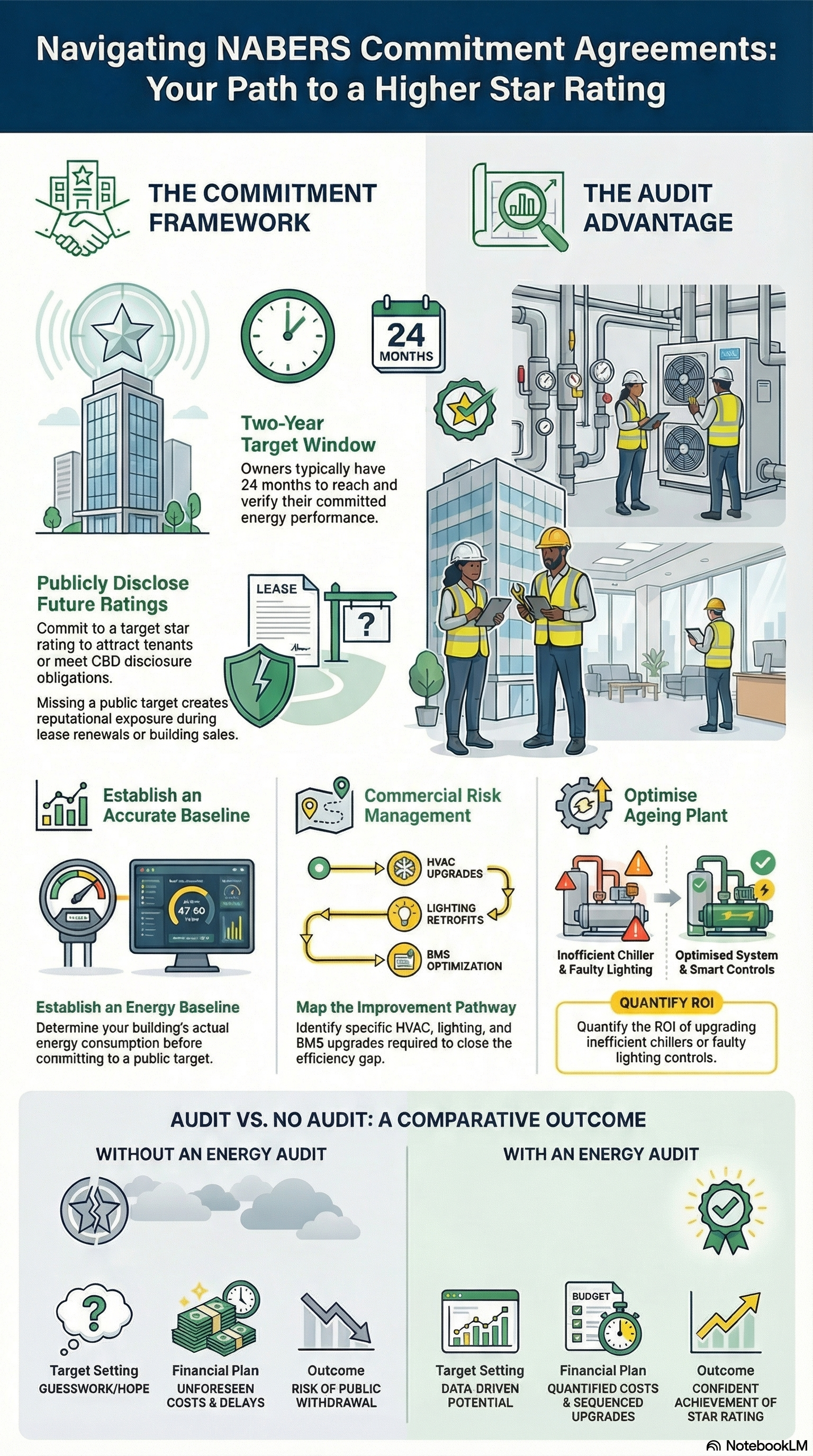
A NABERS Commitment Agreement is a formal arrangement between a building owner and NABERS. It allows a building to publicly disclose a target star rating before that rating has been achieved. In exchange, the owner commits to reaching the target within an agreed timeframe, typically two years.
The agreement sets out the target rating, the baseline conditions, and the key milestones required to demonstrate progress. NABERS assessors verify compliance at scheduled intervals.
It is used in a few specific situations:
When a building owner wants to market a future rating to prospective tenants
When a building is undergoing significant upgrades, and the owner wants to signal the direction of improvement
When a building needs to meet Commercial Building Disclosure (CBD) obligations but has not yet completed its first full NABERS Energy rating.
How It Works in Practice
Once a Commitment Agreement is in place, the owner is required to submit progress reports at agreed intervals. These reports demonstrate the building is tracking toward the committed rating.
The agreement also specifies the scope of the rating. Whether that is Base Building, Tenancy, or Whole Building depends on the building type and the owner's purpose. For most commercial office buildings subject to CBD requirements, the relevant scope is Base Building. If you are not yet across the difference between these rating scopes, the previous article in this series, NABERS Ratings Explained for Commercial Buildings, covers them in detail.
Reaching the committed rating within the agreed timeframe is the obligation. If progress stalls or the target is missed, the building owner must renegotiate or withdraw the commitment. Withdrawal carries reputational risk and can affect lease negotiations or sale transactions.
NABERS Commitment Agreements apply to several building types, including offices,hotels,and data centres. Office buildings are the most common application, particularly for owners navigating CBD disclosure obligations or active leasing campaigns.
When Does an Energy Audit Come Into the Picture?
This is the question most owners and property managers ask when they first encounter the Commitment Agreement process.
The short answer: it depends on the situation.
A Commitment Agreement does not automatically require an energy audit as a formal condition of entry. However, pursuing a higher target rating without understanding your building's current energy performance is a practical risk.
Here is where audits typically become relevant:
You do not know your baseline performance.
If your building has never been formally assessed, you may not know whether the target rating you are committing to is achievable within the timeframe. An energy audit establishes what your building is actually consuming, where energy is being lost, and what changes are needed to improve.
You need to identify the improvement pathway.
Committing to a rating improvement without a clear action plan is a commercial risk. An energy audit maps the specific systems, loads, and operational changes that will close the gap between your current and target rating.
Your building has an ageing or inefficient plant.
Many commercial buildings in Australia carry HVAC, lighting, and BMS equipment installed over a decade ago. These systems often operate well below their rated efficiency. An energy audit identifies which plant upgrades will deliver the most meaningful impact on the rating for the investment.
An Indicative Example
Consider a mid-rise commercial office building in the CBD. It currently holds a 3-star NABERS Energy rating for Base Building. The owner wants to commit to 4.5 stars over two years to support a leasing campaign targeting tenants with sustainability requirements.
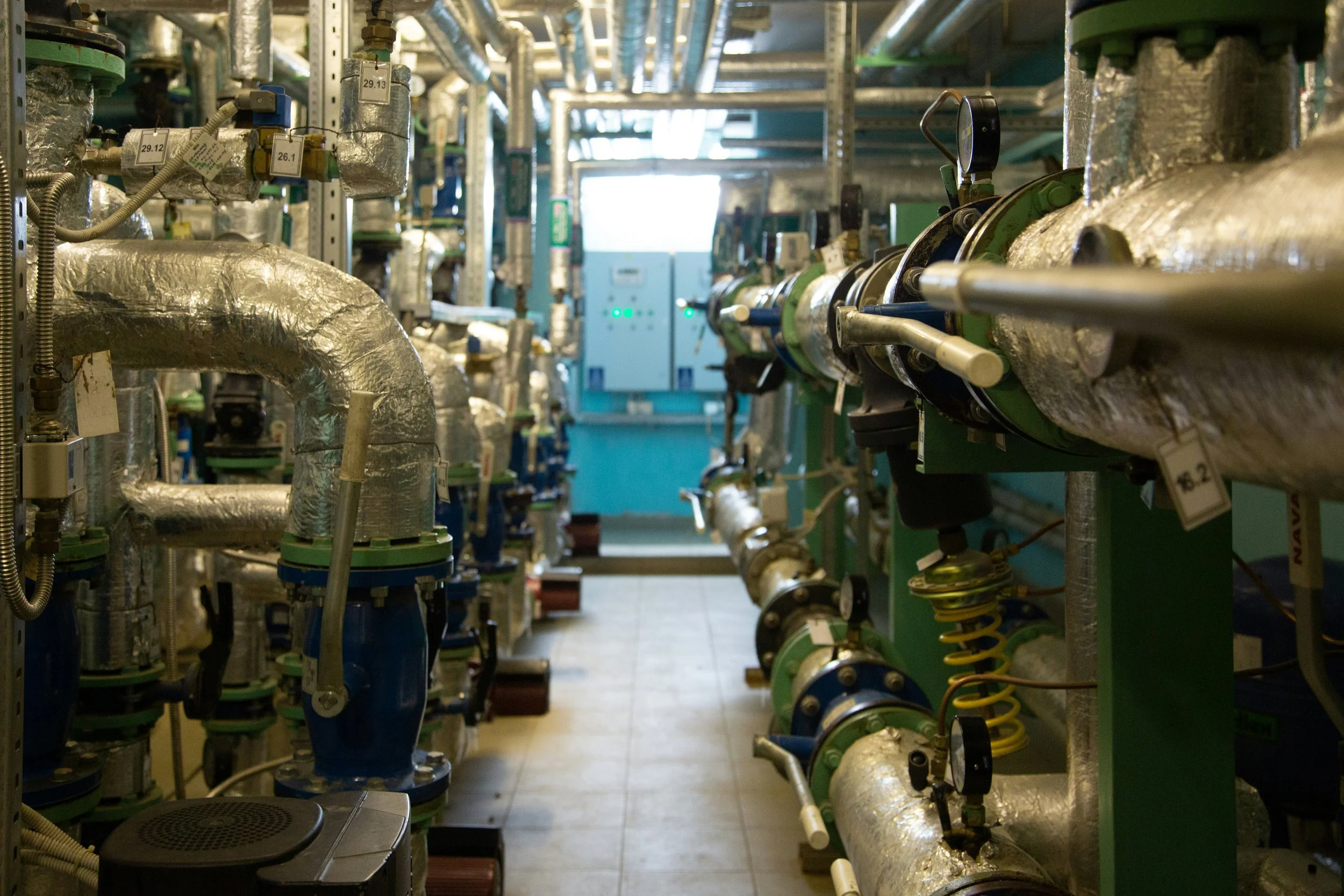
Before signing the Commitment Agreement, the owner commissions an energy audit. The audit identifies that the chiller plant is operating well below its rated efficiency, lighting controls in common areas are not functioning as designed, and after-hours energy draw is higher than it should be.
The audit report quantifies the improvement available from each measure, giving the owner a realistic view of what the two-year pathway will require and what it will cost. Without that baseline, the commitment is made without evidence. With it, the owner can sequence upgrades, negotiate with contractors, and manage the risk of missing the target.
Why This Matters Commercially
A Commitment Agreement is a public-facing obligation. Tenants, leasing agents, and buyers can see it. Missing a committed rating creates exposure, particularly at the point of lease renewal or sale.
Commissioning a commercial energy audit before entering into a Commitment Agreement is not a formal requirement, but it is a practical risk-management step. It gives you the information needed to set a realistic target, build a credible improvement plan, and avoid committing to a rating your building cannot deliver.
What to Do Next
If you are considering a NABERS Commitment Agreement or want to understand whether your building can support a target rating improvement, an energy audit is the logical starting point. It identifies your current position, clarifies what is achievable, and supports the planning required before any formal commitment is made.
To discuss your building's NABERS improvement pathway, contact us to request a commercial energy audit or speak directly with an auditor about your site.
Find out about available energy reduction grants and subsidies for your organisation on our Grants page.
