Energy Audits for Facility Managers
Facility Managers sit at the centre of energy performance. You manage ageing plant, contractor access, tenant complaints, and budgets that rarely align with energy prices. An energy audit, done properly, gives you clarity you can act on, not another report that sits in a folder.
This article explains how commercial energy audits support Facility Managers in Australia. It focuses on what happens on site, what the audit actually looks at, and how the outputs help you manage cost, risk, and performance.
Why energy audits matter at the site level
Most Facility Managers already know their buildings are inefficient. The problem is proving where the issues are, how big they are, and which ones are worth fixing first.
An energy audit helps you answer practical questions.
Where is energy actually being used today
Which systems are driving peak demand and high bills
What issues are operational versus capital-related
What savings are realistic within current constraints
This matters when you are balancing maintenance backlogs, capital planning, and unplanned breakdowns. Understanding energy audit costs in Australia helps you prepare budget requests with realistic expectations.
What an energy audit looks at on a real site
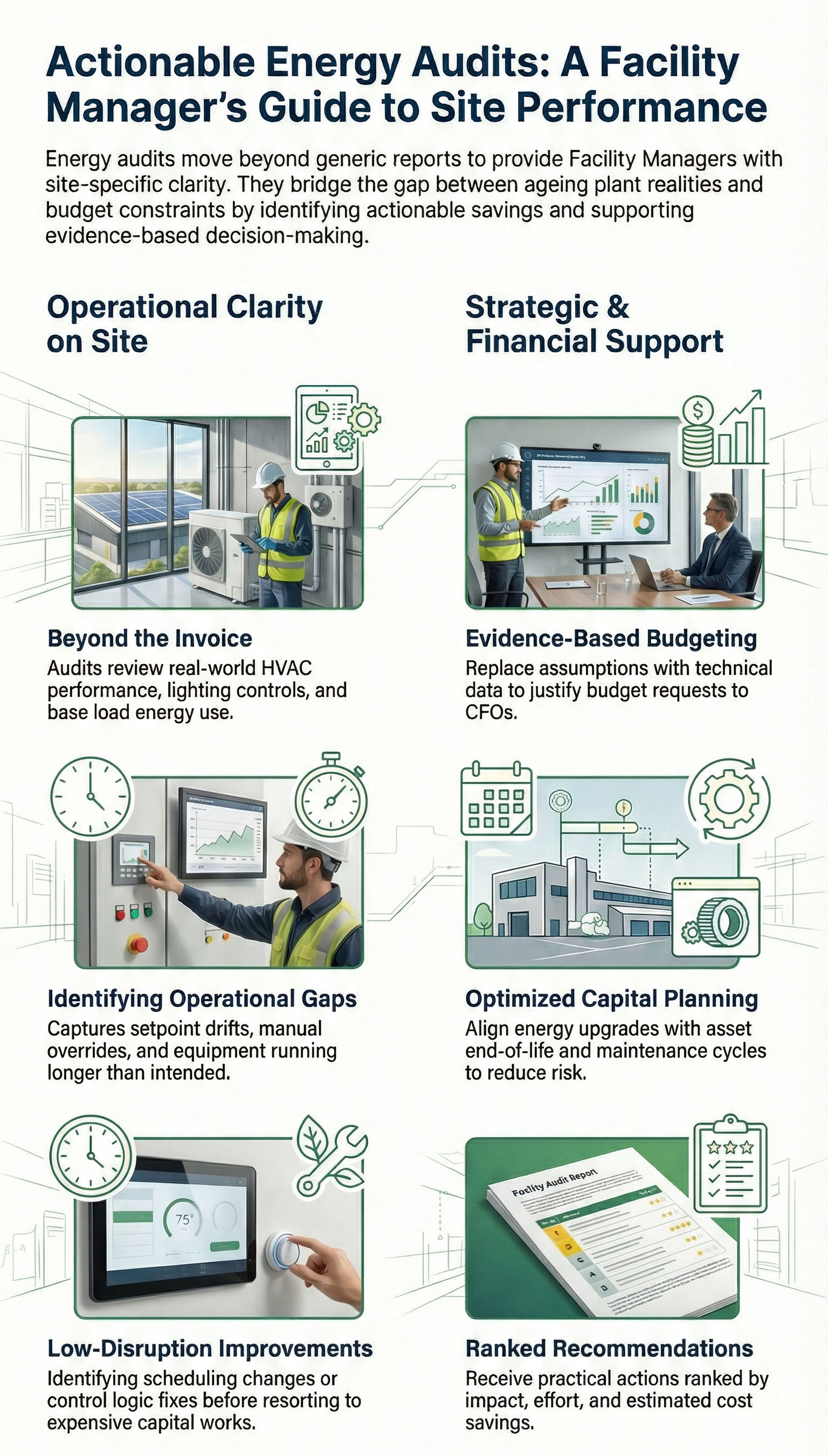
A commercial energy audit goes beyond invoices and nameplate data. It focuses on how the building or facility actually operates.
Typical areas reviewed include:
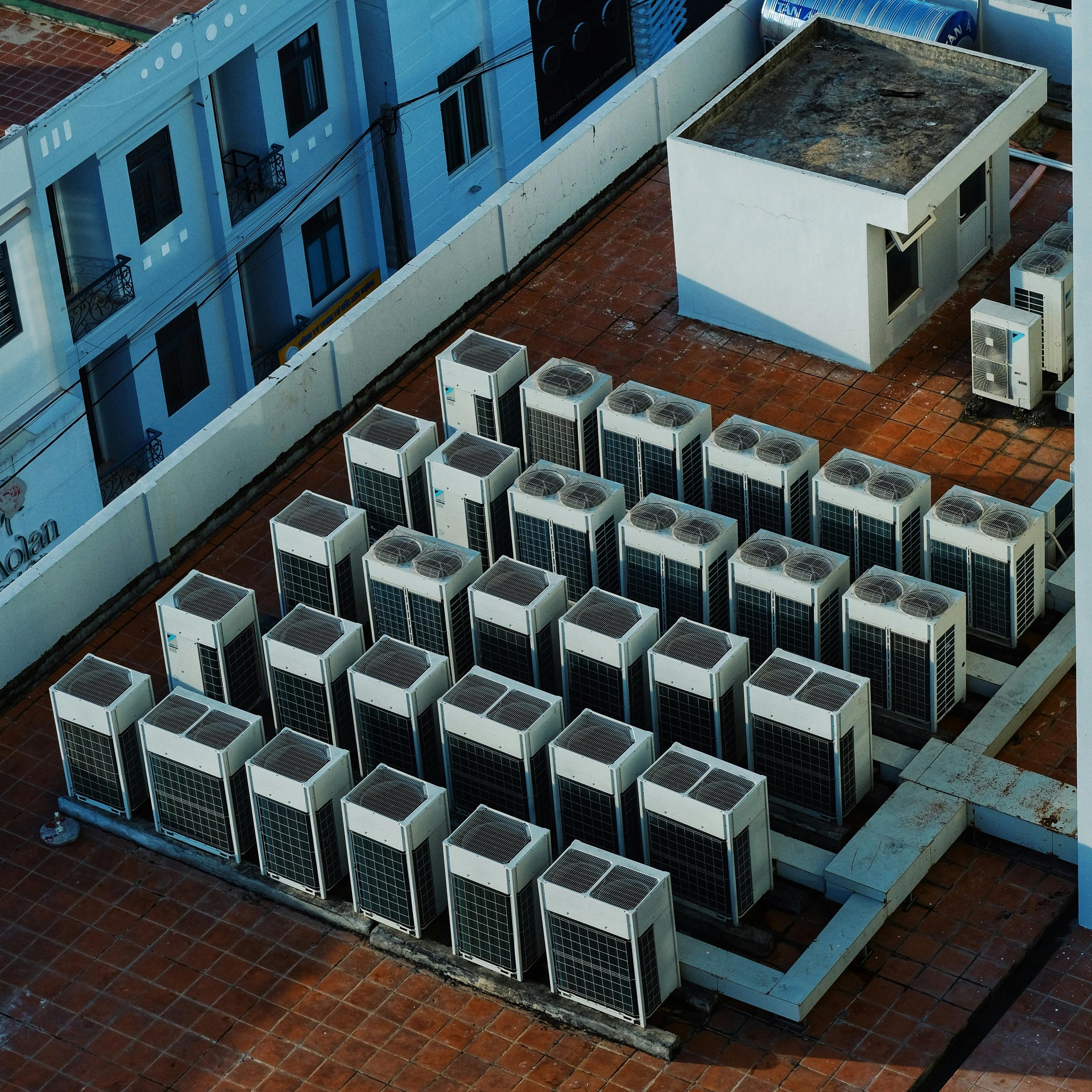
HVAC plant performance, controls, and scheduling
Lighting systems, controls, and after-hours operation
Major electrical loads such as pumps, fans, and process equipment
Compressed air systems, where applicable
Base load and after-hours energy use
Tariff structure and demand charges
Site inspections matter. Drawings rarely match reality. Setpoints drift. Overrides stay in place. Equipment runs longer than intended. A properly conducted AS/NZS 3598 energy audit captures these gaps.
How does this supports day to day facility management
Energy audits are not just about savings. They support better operational decisions.
For Facility Managers, audits help with:
Identifying low-disruption improvements before capital works
Reducing after-hours energy drift caused by control issues
Prioritising maintenance that delivers energy and reliability benefits
Supporting budget requests with evidence, not assumptions
Coordinating contractors around clearly defined scopes
For example, an audit may show that HVAC energy use is driven more by poor control logic than plant efficiency. That points to a controls contractor, not a chiller replacement. This is the type of practical insight that helps Operations Managers and Facility Managers make better vendor decisions.
Indicative audit examples
Example 1: Large commercial office
An audit identified a high base load overnight, driven by tenant equipment and cleaning schedules. Simple scheduling changes reduced energy use without affecting occupants. No capital spend required.
Example 2: Industrial facility
The audit found oversized motors running at constant speed on variable loads. The recommendation focused on control changes and staged VSD upgrades aligned with maintenance shutdowns.
Example 3: Mixed-use building
The HVAC plant was operating outside design intent due to sensor faults and manual overrides. Fixing controls delivered energy savings and reduced complaints about comfort.
These outcomes come from understanding how systems operate, not from generic upgrade lists.
Energy audits and capital planning
Facility Managers often need to contribute to capital plans without making the final decision. Energy audits provide a technical and financial basis for that process. This is particularly important when working with CFOs who need to evaluate energy investments alongside other capital priorities.
Audit outputs typically support:
Capex versus opex trade-off discussions
Staging upgrades over multiple budget cycles
Aligning energy upgrades with asset end of life
Reducing the risk of over-investing in the wrong systems
Audits also inform how energy efficiency upgrades support NABERS ratings, without being framed as NABERS audits themselves.
What you receive from a commercial energy audit
A good audit delivers more than a summary.
You should expect:
Clear breakdown of energy use by system
Identified issues linked to operational causes
Practical recommendations ranked by impact and effort
Cost and savings estimates with stated assumptions
Inputs you can use for business cases and budgets
This level of detail supports conversations with finance, asset managers, and external consultants.
How does this fit within the broader audit framework?
Commercial energy audits in Australia follow AS/NZS 3598 levels. The right level depends on site size, energy spent, and decision needs.
A clear overview of audit levels is covered in our guide to AS/NZS 3598 energy audits and what each level means on-site.
Energy audits for Facility Managers fall within the broader Commercial and Industrial Energy Audits Australia framework and closely link to operational and financial decision-making.
Next step
If you manage a commercial or industrial site and want clear insights into where energy is actually being used, an energy audit is a practical, straightforward starting point for building confidence in your decisions.
Request a commercial energy audit to understand where energy is being used across your site and which improvements deliver the most value within your operational constraints. You can discuss your site, constraints, and priorities with us to understand whether an audit makes sense and what level is appropriate.
Find out about available energy saving grants and subsidies for your organisation on our Grants page.
